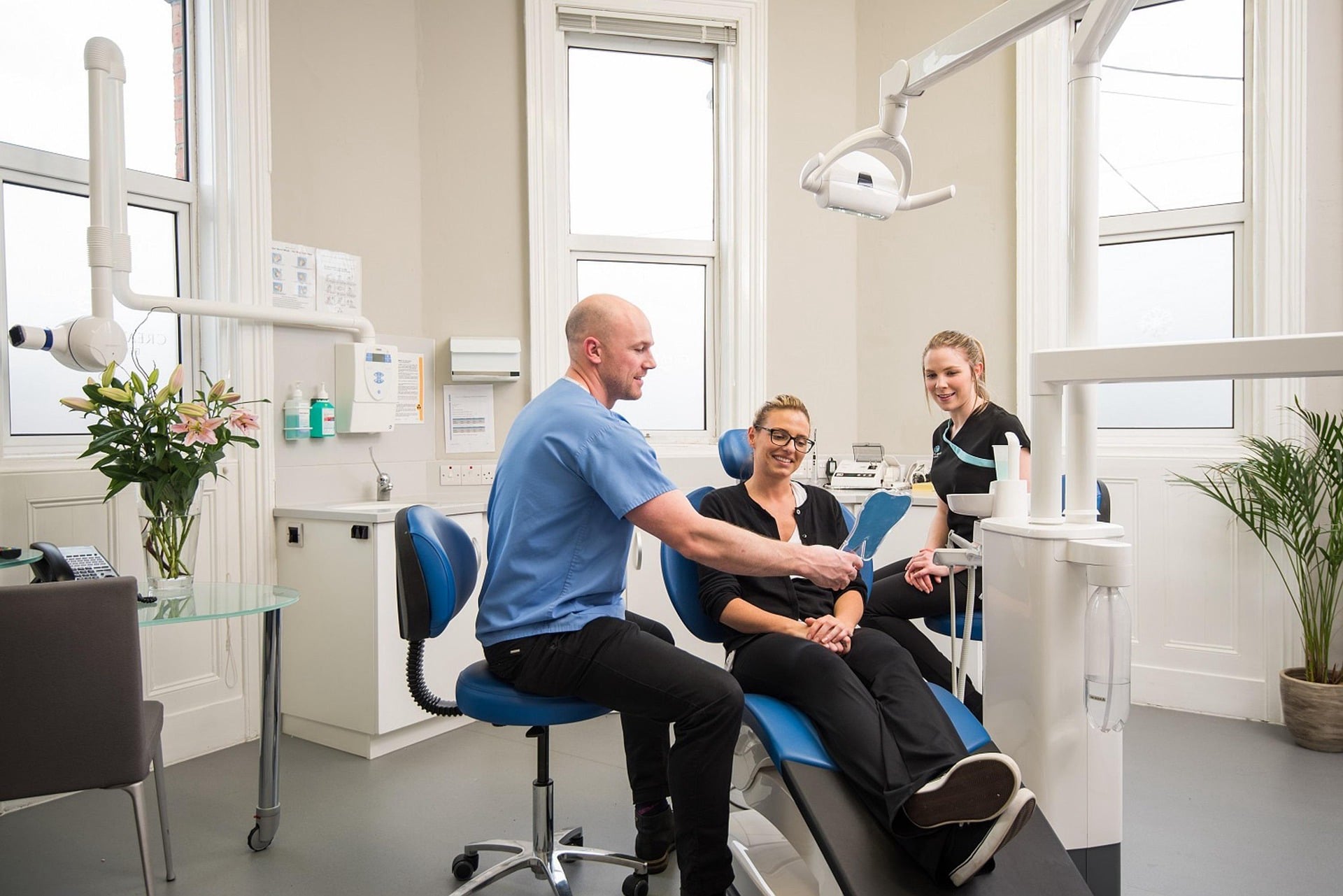
New Dental Patients Welcome: What to Expect at Your First Dental Appointment
Finding a new dentist is an important decision, whether you've recently moved to the area, haven't visited a dentist for several years or are simply looking for a practice that better suits your needs. Choosing the right dental team can help you feel more confident about maintaining your oral health while establishing a long-term relationship that supports healthy teeth and gums for years to come.
If you're searching for a practice where New Dental Patients Welcome is more than just a phrase, understanding what happens during your first appointment can help you feel relaxed and prepared. Modern dental practices place great emphasis on patient comfort, clear communication and personalised care, ensuring every new patient receives a thorough introduction to their oral health.
The first appointment is designed to provide a complete picture of your dental health rather than simply checking for cavities. Your dentist will begin by discussing your medical history, current medications, previous dental experiences and any concerns you may have about your teeth, gums or smile. This conversation allows treatment to be tailored to your individual needs while helping the dental team understand your expectations.
A comprehensive dental examination follows. The dentist will carefully assess your teeth, gums, tongue, cheeks and other soft tissues inside the mouth, looking for signs of tooth decay, gum disease, tooth wear, cracked teeth and other oral health conditions. Existing fillings, crowns, bridges or other restorations will also be checked to ensure they remain in good condition.
One of the main objectives of the first visit is prevention. Identifying small problems early often allows them to be treated before they develop into more complex or expensive issues. Modern preventive dentistry focuses on protecting natural teeth wherever possible and helping patients avoid unnecessary dental treatment in the future.
Digital X-rays may be recommended as part of your assessment. These images provide valuable information about areas that cannot always be seen during a visual examination, including decay between teeth, infections, bone levels and the position of tooth roots. Modern digital imaging provides excellent diagnostic detail while using significantly lower radiation levels than older technologies.
Your gum health will also be carefully assessed. Healthy gums provide the foundation for healthy teeth, and early signs of gum disease often develop without noticeable symptoms. By identifying inflammation, bleeding or gum recession early, your dentist can recommend appropriate treatment and advice before more advanced periodontal disease develops.
The first appointment also provides an opportunity to discuss your oral hygiene routine. Dentists often offer personalised advice on brushing techniques, interdental cleaning, fluoride use and dietary habits that support healthy teeth and gums. Even small improvements to daily oral care can make a significant difference over time.
Many patients use their first consultation to discuss cosmetic concerns. Whether you're interested in teeth whitening, composite bonding, veneers, orthodontics or smile makeovers, your dentist can explain the available options and advise which treatments may be appropriate once your oral health has been fully assessed.
For patients who experience dental anxiety, the first visit is particularly important. Many modern practices understand that nervous patients benefit from additional reassurance, longer consultation times and clear explanations before any treatment begins. Building trust from the outset often helps patients feel much more comfortable attending future appointments.
Children attending as new patients are introduced to the dental environment in a calm and positive way. Early visits help children become familiar with routine examinations while allowing the dentist to monitor developing teeth and encourage healthy oral hygiene habits from an early age. Positive early experiences often help reduce anxiety later in life.
If treatment is required, your dentist will explain the findings in detail and discuss the available options. Recommendations are usually based on clinical need, long-term oral health and your individual preferences. Patients are encouraged to ask questions so they fully understand the proposed treatment and expected outcomes before making any decisions.
Modern dentistry has introduced many technologies that improve both diagnosis and patient understanding. Intraoral cameras allow patients to see detailed images of their own teeth, while digital records help monitor changes over time. These tools support better communication and enable patients to become more actively involved in maintaining their oral health.
Following the examination, your dentist will usually recommend an appropriate recall schedule. Some patients with excellent oral health may only require annual examinations, while others at greater risk of decay or gum disease may benefit from more frequent reviews. The interval is determined by individual needs rather than applying the same schedule to every patient.
Regular attendance plays a vital role in maintaining healthy teeth throughout life. Routine examinations allow problems to be detected early, restorative work to be monitored and preventive advice to be updated as your oral health needs change. Establishing a long-term relationship with a dental practice provides continuity of care that benefits patients of every age.
Choosing a new dentist should involve more than finding a convenient location. Experience, qualifications, patient reviews, available treatments, appointment flexibility and the overall approach to patient care all contribute to a positive experience. A welcoming environment, clear communication and personalised treatment planning help patients feel confident returning for regular care.
Ultimately, practices welcoming New Dental Patients aim to provide far more than a routine examination. They offer comprehensive assessments, preventive advice and personalised dental care designed to support long-term oral health. By attending regular check-ups, following professional guidance and building a relationship with a trusted dental team, patients can enjoy healthier teeth, stronger gums and greater confidence in their smile for many years to come.