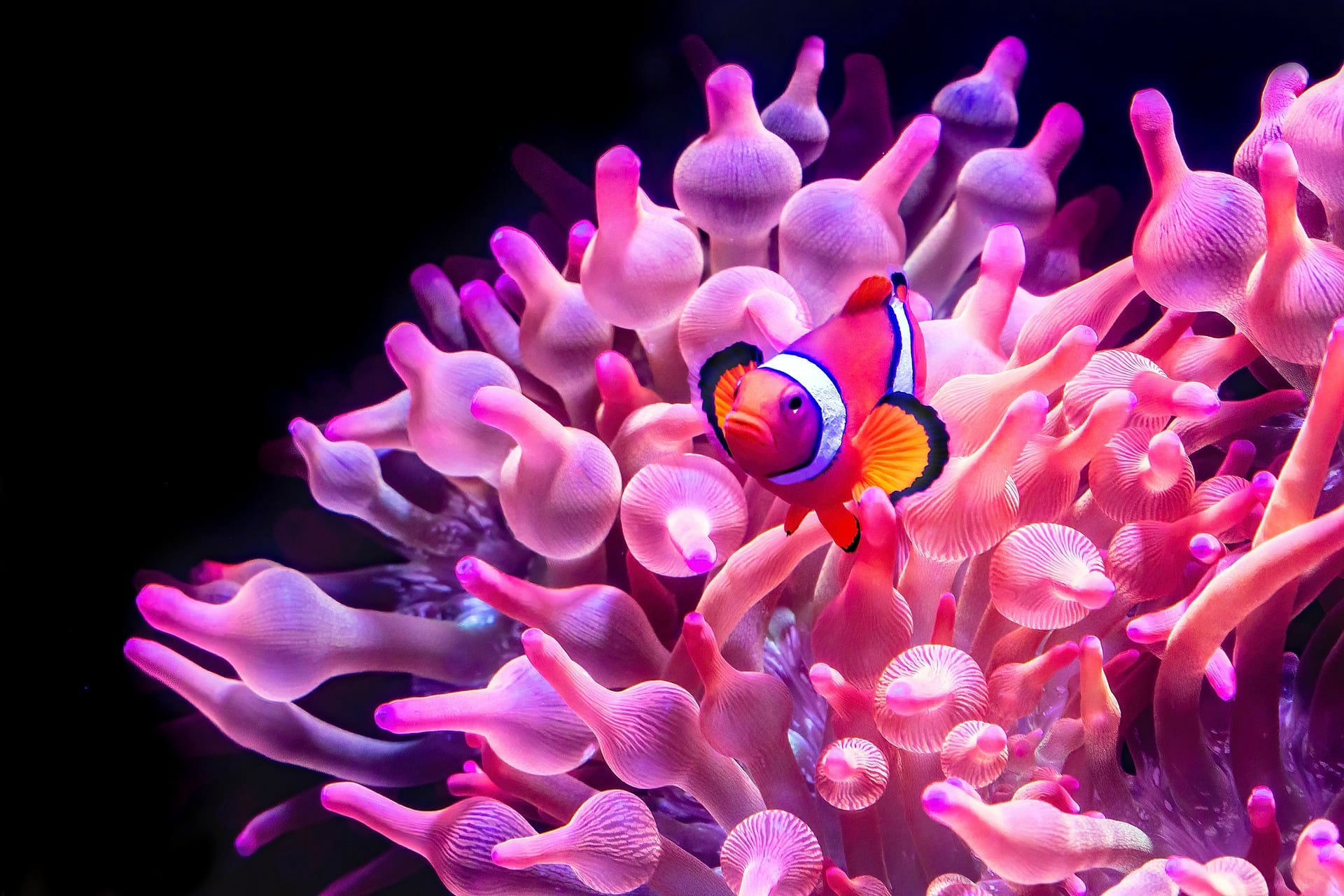
Tropical Aquariums: Creating a Beautiful and Healthy Underwater Environment
Keeping tropical fish has become a popular hobby for people who enjoy creating attractive aquatic environments within their homes. A well-designed aquarium combines fish, plants, lighting and carefully selected decorations to create a fascinating underwater display. Beyond its appearance, however, a successful aquarium depends on maintaining stable conditions that support the health and natural behaviour of its inhabitants.
ㅤ
Tropical aquariums require more planning than simply filling a glass tank with water and introducing colourful fish. Water temperature, filtration, tank size, species compatibility and regular maintenance all influence the stability of the aquatic environment. Understanding these requirements before setting up an aquarium can help prevent common problems and create a more rewarding experience.
ㅤ
The first consideration is choosing an appropriate aquarium size. Smaller tanks may appear easier to maintain because they occupy less space, but their limited water volume can make changes in temperature and water chemistry more noticeable. Larger aquariums generally provide greater water volume, although they also require suitable space, equipment and structural support.
ㅤ
Aquarium dimensions are just as important as overall capacity. Some fish require substantial horizontal swimming space, while others benefit from deeper tanks or environments containing numerous plants and hiding places. Selecting the aquarium around the intended inhabitants is usually more effective than choosing fish after purchasing a tank.
ㅤ
Location within the home can also influence aquarium conditions. Positioning a tank close to direct sunlight may encourage unwanted algae growth and contribute to temperature fluctuations. Areas near radiators, frequently opened external doors or other sources of significant temperature variation may also be unsuitable.
ㅤ
A sturdy, level cabinet or stand is essential because an aquarium becomes extremely heavy once filled with water, substrate and decorations. The supporting furniture should be designed to accommodate the aquarium's filled weight and provide a stable foundation.
ㅤ
Heating is one of the defining requirements of most tropical freshwater aquariums. Many commonly kept tropical species thrive within a relatively warm temperature range, although the precise requirements depend on the fish being maintained.
ㅤ
An adjustable aquarium heater, combined with a reliable thermometer, allows the temperature to be monitored and controlled. Rather than choosing one temperature for every tropical species, aquarists should research the needs of their intended fish and select compatible inhabitants.
ㅤ
Filtration is another essential part of aquarium management. Fish produce waste, uneaten food breaks down and organic material accumulates over time. Without appropriate filtration and biological processes, harmful substances can build up in the water.
ㅤ
Aquarium filters generally provide mechanical and biological filtration. Mechanical filtration captures suspended particles, while biological filtration supports beneficial microorganisms that process nitrogenous waste produced within the aquarium.
ㅤ
The biological filtration process is particularly important. Fish waste and decomposing organic matter produce ammonia, which is toxic to fish. Beneficial bacteria convert ammonia into nitrite and subsequently into nitrate, which can be managed through water changes and, in planted aquariums, some plant uptake.
ㅤ
Before introducing fish, a new aquarium should undergo an appropriate fishless cycling process to establish the biological filter. This can take several weeks, and water testing is necessary to confirm that the system can process ammonia and nitrite effectively.
ㅤ
Water testing remains important after the aquarium has been established. Test kits can help monitor ammonia, nitrite, nitrate and pH, providing information about conditions that may not be visible simply by looking at the water.
ㅤ
For established tropical aquariums, ammonia and nitrite should normally remain undetectable using standard hobby test kits. Elevated readings may indicate problems with biological filtration, excessive waste or other changes requiring attention.
ㅤ
Water chemistry should also influence fish selection. Different species have different preferences concerning hardness and pH, and choosing fish suited to the available water can make long-term aquarium management more straightforward.
ㅤ
Trying to maintain species with significantly different water requirements within the same aquarium can create unnecessary difficulties. Researching compatibility before purchasing fish is therefore an important part of responsible aquarium keeping.
ㅤ
Substrate forms the foundation of the aquarium's visual layout. Gravel, sand and specialist planted aquarium substrates can all be used, depending on the intended fish, plants and overall design.
ㅤ
Some bottom-dwelling fish benefit from smooth, fine substrates that allow natural foraging behaviour without unnecessarily damaging sensitive mouthparts. Planted aquariums may require substrates that support root development and provide appropriate nutrients.
ㅤ
Aquatic plants can make an aquarium more attractive while providing shelter and additional structure for fish. Live plants also absorb nutrients as they grow, although they do not replace the need for filtration, appropriate stocking and regular maintenance.
ㅤ
Plant selection should take account of lighting, temperature and water chemistry. Some species are relatively undemanding and suitable for beginners, while others require more intensive lighting, nutrient management or supplementary carbon dioxide.
ㅤ
Popular beginner-friendly options include Java fern, Anubias and certain Cryptocoryne species. These plants can provide useful structure without necessarily requiring the specialist equipment associated with more demanding aquascapes.
ㅤ
Decorations such as rocks and aquarium-safe wood can create natural-looking environments. They also provide hiding places and visual boundaries that may help fish establish territories or retreat from more active tankmates.
ㅤ
Aquarium design should prioritise the requirements of the inhabitants rather than appearance alone. A completely open tank may look spacious but provide insufficient shelter for shy species, while excessive decoration can reduce the swimming space available to active fish.
ㅤ
Lighting plays an important role in both presentation and plant growth. Modern LED aquarium lighting provides a range of options, from straightforward illumination to systems designed specifically for planted aquariums.
ㅤ
A consistent lighting schedule can help establish a predictable day-and-night cycle. Excessive lighting may contribute to algae problems, particularly where nutrient levels and plant growth are not balanced.
ㅤ
Timers can make lighting management easier by ensuring the aquarium receives a consistent period of illumination each day. Fish should also have an appropriate period of darkness rather than being exposed to continuous lighting.
ㅤ
Choosing suitable fish is one of the most enjoyable stages of establishing tropical aquariums, but it also requires careful research. Colourful appearance should not be the only consideration when deciding which species to keep.
ㅤ
Adult size is particularly important. Some fish sold when young may eventually become much larger than expected, making them unsuitable for smaller home aquariums.
ㅤ
Temperament also varies considerably. Certain tropical species are peaceful and suitable for carefully planned community tanks, while others may become territorial or aggressive, especially during breeding.
ㅤ
Shoaling and schooling species often benefit from being kept in appropriately sized groups. Keeping these fish individually or in very small numbers can prevent them from displaying their normal social behaviour.
ㅤ
Commonly kept tropical fish include various tetras, rasboras, guppies, Corydoras catfish and gouramis. However, compatibility depends on the particular species, aquarium size, water conditions and other inhabitants.
ㅤ
Fish should be introduced gradually rather than adding the aquarium's entire intended population at once. This allows the biological filtration system to accommodate increasing waste production and gives the aquarist an opportunity to observe how new inhabitants settle into their surroundings.
ㅤ
New fish can introduce diseases or parasites into an established aquarium. A suitable quarantine procedure can reduce this risk, particularly where valuable or sensitive fish are already present.
ㅤ
Feeding is another important aspect of aquarium care. Tropical fish require diets appropriate to their species, and different fish may feed at the surface, within the water column or along the substrate.
ㅤ
Commercial flakes, pellets, frozen foods and other suitable feeds can provide dietary options, but the correct choice depends on the fish being maintained. Some species have specialised nutritional requirements that should be researched before purchase.
ㅤ
Overfeeding is a common source of aquarium problems. Excess food can decay, increase waste levels and place additional pressure on filtration. Providing appropriate portions and observing feeding behaviour can help prevent unnecessary accumulation of organic material.
ㅤ
Regular maintenance is essential for keeping tropical aquariums stable over time. Even a well-established aquarium requires ongoing attention to water quality, equipment performance and the condition of its inhabitants.
ㅤ
Partial water changes help remove accumulated substances and replenish minerals where appropriate. The frequency and quantity required depend on factors such as stocking levels, feeding, plant growth and measured water conditions.
ㅤ
Replacement tap water should be treated with an appropriate conditioner where necessary to neutralise chlorine or chloramine. Sudden differences in temperature or water chemistry should also be avoided.
ㅤ
Cleaning the substrate can help remove trapped waste, particularly in areas where uneaten food or debris tends to accumulate. Care should be taken around rooted plants and aquarium inhabitants during maintenance.
ㅤ
Filter maintenance requires a balanced approach. Mechanical filter materials may need cleaning to restore water flow, but biological filtration media should be handled carefully to preserve the microorganisms responsible for processing waste.
ㅤ
Replacing all biological filter media at once can disrupt the nitrogen cycle. Following suitable maintenance procedures and avoiding unnecessary replacement can help maintain the stability of an established aquarium.
ㅤ
Algae is another common consideration. Small amounts are normal in aquatic environments, but excessive growth can indicate an imbalance involving lighting, nutrients, maintenance or plant growth.
ㅤ
Rather than relying entirely on algae-eating fish or chemical treatments, aquarists should investigate the conditions contributing to unwanted growth. Adjusting lighting duration, feeding and maintenance routines may help address the underlying causes.
ㅤ
Observing fish behaviour is one of the most useful everyday habits. Healthy fish generally display behaviour appropriate to their species, including normal swimming, feeding and interaction with their environment.
ㅤ
Changes such as persistent hiding, loss of appetite, unusual swimming, rapid breathing or visible physical abnormalities may indicate a problem. Water quality should be checked promptly, and appropriate aquatic veterinary advice should be sought when illness is suspected.
ㅤ
The welfare of aquarium inhabitants should remain central to every decision. Fish require suitable environments, appropriate social groupings and enough space to express their normal behaviours.
ㅤ
Aquarium keeping can also encourage an interest in ecology and the relationships between living organisms and their surroundings. Maintaining a stable aquatic environment involves understanding biological processes, water chemistry and the effects of everyday management decisions.
ㅤ
For families, a well-maintained aquarium can provide opportunities to learn about animal care and environmental responsibility. However, adults should retain responsibility for ensuring that the fish receive appropriate ongoing care.
ㅤ
Aquarium design can become a creative interest in its own right. Aquascaping involves arranging plants, rocks, wood and open spaces to create visually balanced underwater environments that also meet the needs of the animals.
ㅤ
Some aquarists prefer densely planted natural-style displays, while others favour open layouts with carefully arranged hardscape features. The most successful designs combine visual appeal with practical considerations such as water circulation, maintenance access and suitable shelter.
ㅤ
Technology has made certain aspects of aquarium keeping more convenient. Automatic lighting schedules, temperature controllers and feeding equipment can assist with routine management, although they do not eliminate the need for regular observation and testing.
ㅤ
Long-term success generally comes from maintaining consistency rather than making frequent unnecessary changes. Stable water conditions, appropriate feeding, sensible stocking and regular maintenance provide a stronger foundation than continually adjusting the aquarium in pursuit of perfect measurements.
ㅤ
Ultimately, tropical aquariums offer an opportunity to create engaging underwater environments while learning about aquatic ecosystems and responsible fishkeeping. By choosing compatible species, establishing effective biological filtration and maintaining appropriate water conditions, aquarists can develop attractive displays that support the long-term health and welfare of their inhabitants.